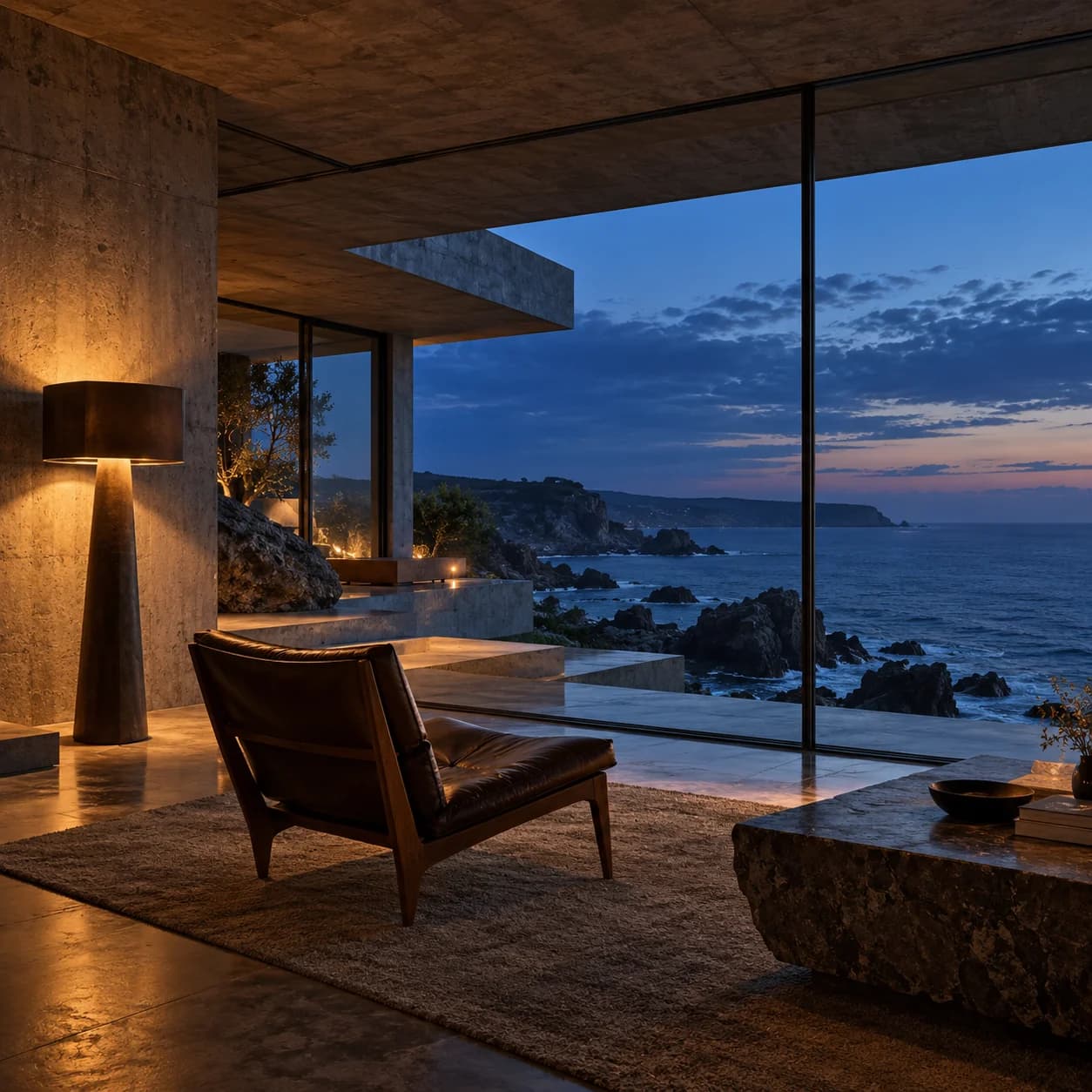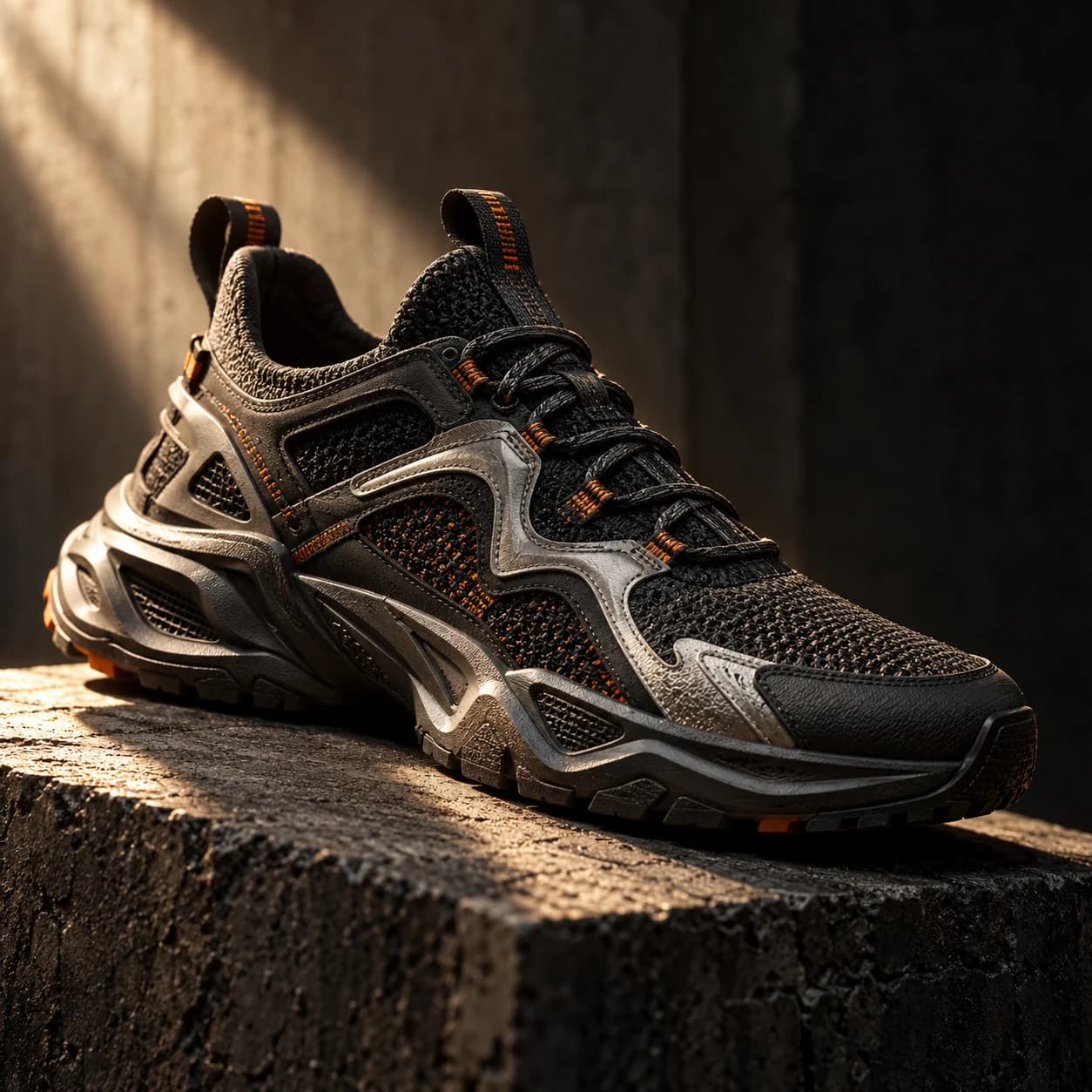
The process at a glance.
- Name the subject and scene.
- Describe the composition and light.
- Keep the first direction focused.
- Compare the result with your brief.
Describe what should be visible
Name the subject, its surroundings, and the camera view. A concrete description of an explorer on a volcanic ridge communicates more than ‘epic, beautiful, award-winning.’ Add the visual information a person would need to sketch the scene.
Give the light a direction
Describe the light source, softness, and color. Decide whether the material should look polished, woven, worn, or rough. These details create a reviewable visual brief instead of a vague request for quality.
Make the next prompt a focused edit
Once an image gives you a useful starting point, use it as a reference. State which details should stay before asking for one change. Compare the new result with the source and revise the brief around visible differences.
Before you keep the result.
- The subject is unambiguous
- Composition is described
- Light and materials are concrete
- The result is reviewed against the brief
A few questions.
How long does a prompt need to be?
Long enough to make the subject and intended direction clear. Specific visual information matters more than a word count.
Should I add lots of adjectives?
Prefer concrete details. ‘Soft amber light from the left’ gives a clearer direction than a long list of praise words.