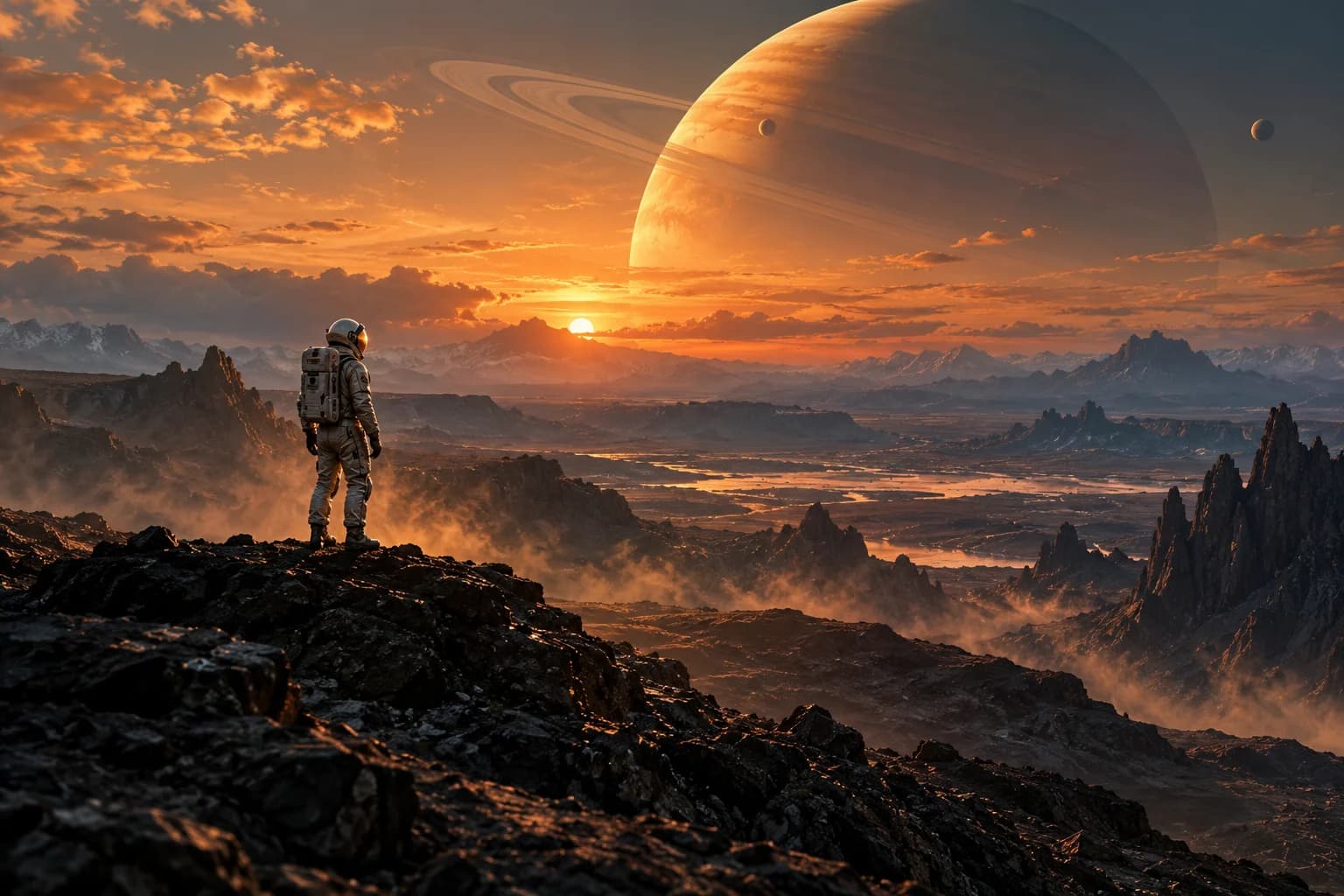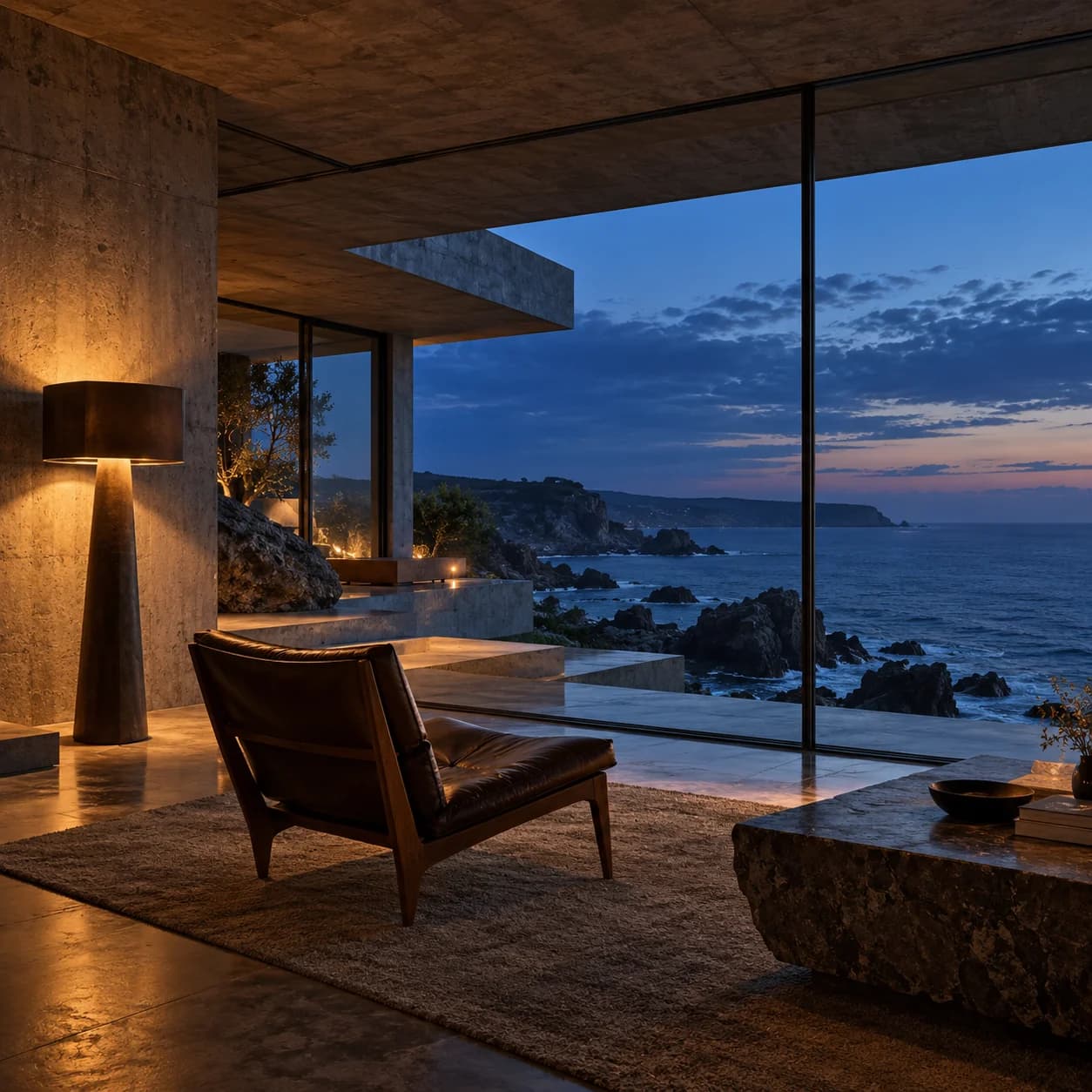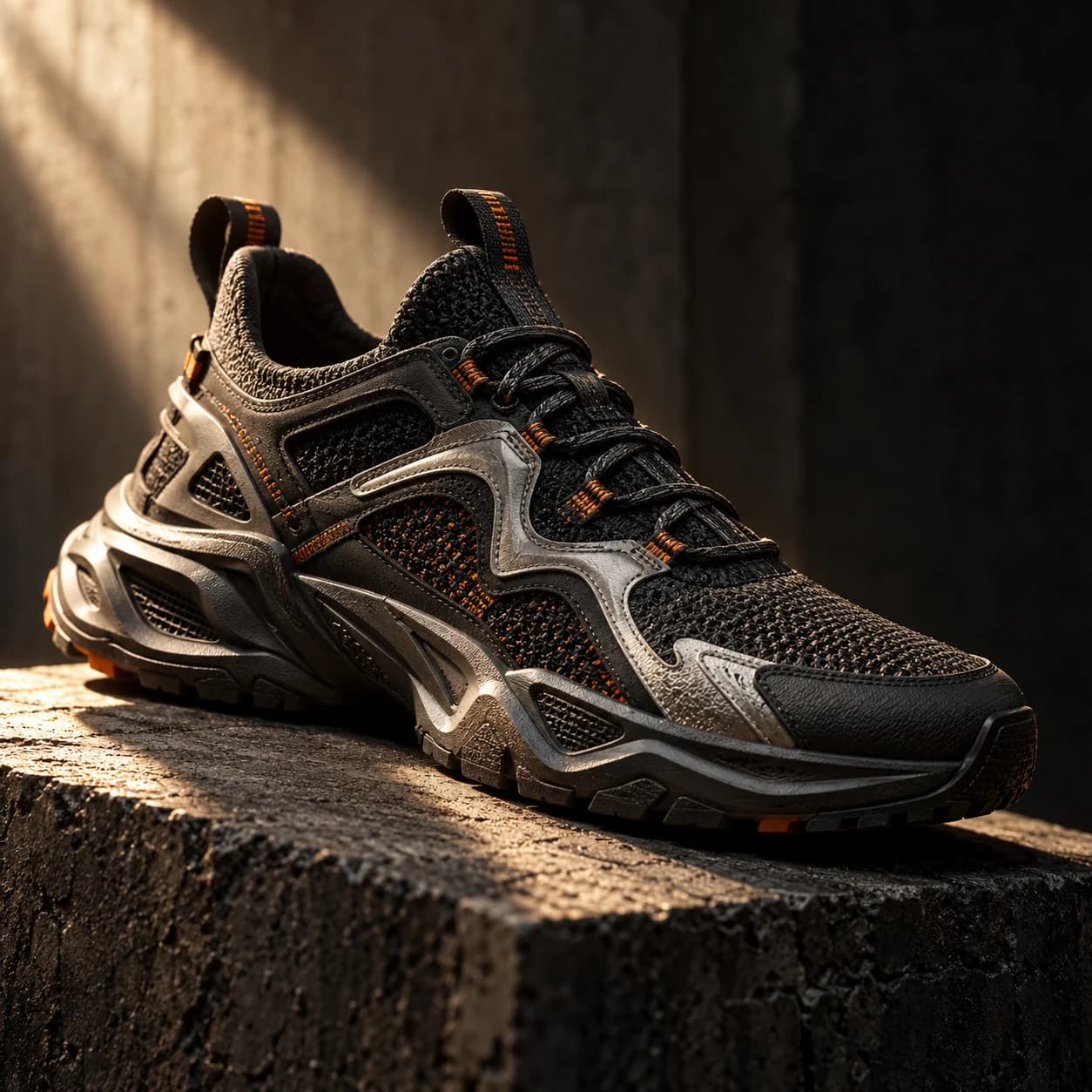
The process at a glance.
- Keep a sharp source and the unedited file.
- Protect product shape, quantity, and visible details.
- Explore one setting or lighting direction.
- Inspect the full-size result before approving use.
Review the object before the setting
Compare silhouette, materials, seams, closures, scale, and object count with the source. A new background is not a successful edit if the product itself has become a different item.
Check small details at full size
Text, logos, reflections, and fine edges can look plausible in a thumbnail. Inspect the full image. Never approve a product claim or packaging detail because it merely looks realistic.
Use concepts for the right decision
Generated images can help select a campaign mood or lighting direction. An accurate final listing may require the original product, verified text, and manual compositing. Save the source, brief, selected result, and corrections together.
Before you keep the result.
- Shape and scale are checked
- Materials and reflections are plausible
- Labels and logos are verified
- No feature or product claim is invented
A few questions.
Can generated packaging text be trusted?
No. Verify text against the original and replace inaccurate lettering using a conventional design workflow.
What are these images useful for?
Campaign concepts, lighting studies, material palettes, and early art-direction decisions.